Table of Content
Unlike a bee sting, a yellow jacket will not leave its stinger behind once you've been stung. As such, you won't need to pull out the stinger as you might with a bee. Yellow jackets are also meat-eating predators, while bees solely get nourishment from flower nectar.
Baking soda has the alkaline effect that can help neutralize the venom of the stings. One of other effective & natural home remedies for yellow jacket stings is definitely baking soda. The alkaline properties of baking soda aid in neutralizing the yellow jacket stings quickly.
Natural Home Remedies For Yeast Infection In Women & Men
Prepare a bowl of water with some ice cubes to add inside. Then, apply directly that pad onto the affected location and wait for 10 minutes. If you have those severe symptoms, you should go to see the doctor to receive some piece of advice.
Spread this paste over the affected skin area for about 30 minutes and then wash it off with lukewarm water. You should repeat this treatment for the best result. If you suffer from yellow jacket stings, cold compresses can give you a significant relief.
What Causes a Reaction to a Yellow Jacket Sting?
Aloe vera has a lot of health benefits to the body. It has been used for many years by ancient and modern cultures all over the world for its wound healing properties. If you are oversensitive to yellow jackets and get stung, look for medicinal help quickly. White toothpaste quickly neutralizes the acidic venom, which in turn comforts from pain and swelling. You just need cold water or some ice cubes, and you will find an instant relief.

Both white vinegar and apple cider vinegar work as effective remedies for insect bites and stings. The acetic acid present in vinegar has anti-inflammatory properties that help reduce swelling and inflammation. Baking soda is an effective natural cure for yellow jacket stings. The alkaline nature of baking soda helps neutralize the sting.
Knowing when to Seek Medical Attention
There is no scientific research to support the use of plantain leaves for treating insect stings, but this remedy does carry some anecdotal merit. This helps reduce the swelling, pain, itching, and redness around the sting site. Turmeric is another natural anti-inflammatory agent that can be mixed with honey for added relief. Mix 1 teaspoon of turmeric in 1 tablespoon of honey to form a paste, and apply it to the sting for 20–30 minutes before washing it off with plain water.

Place the ice pack on the affected area and hold it there for minutes. Don’t apply cold compress directly on your skin, because it can damage the skin and frostbite. In general, washing with soap and water is a good first-aid solution for various types of wounds, including yellow jacket stings. It will help clean the wound, wash off the venom, and relieve pain temporarily.
Top Best Treatment for Yellow Jacket Stings Related Articles
Firstly, slice a raw onion and then rub it on your affected areas for a few minutes to let the onion juice do its magic. After that, keep the juice on the skin for 15 minutes and then rinse it off by using warm water. When you’re done, then remove and wash the area with water. Once they lose their stingers, they usually die within a few minutes. A bee sting usually results in a red welt with a white center where the stinger punctured the skin. Another option for a cold compress is a bag of frozen vegetables or cold water bottle wrapped in a cloth.
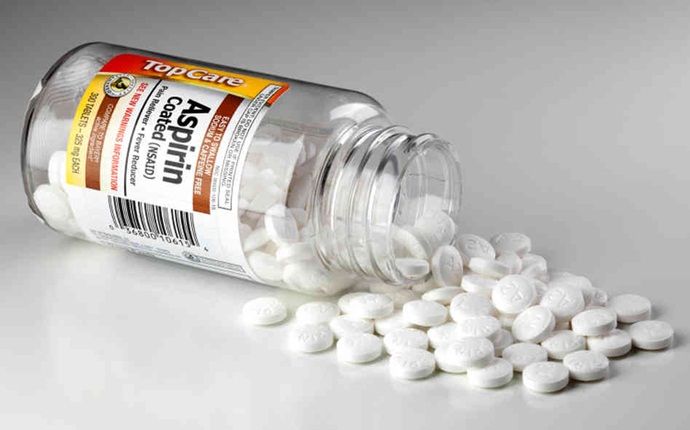
It can naturally soak up the toxins from the sting. It also alleviates pain and swelling when used right away. There are a couple of ways you can use the activated charcoal for yellow jacket stings.
Aggressive attacks by yellow jackets are more common towards the end of summers. Learn some home remedies for yellow jacket stings to reduce the pain and inflammation. What happens when you get stung by a yellow jacket? You might have experienced this first hand, or if you’re like me and have no idea what they are, then you might know someone who has. The use of activated charcoal for treating a yellow jacket sting is anecdotal and does not have scientific backing. It rests on the fact that activated charcoal absorbs the toxins of the venom to reduce pain and swelling.
The sting of a yellow jacket is painful, and each of them is capable of delivering multiple stings. If you spot many yellow jackets at one place, leave at once for there must be a nest nearby. Take a handful of freshly plucked plantain leaves from a healthy plant and wash them thoroughly.
Moreover, the strong smell of onions repels insects and prevents them from approaching you again. It is also beneficial to take 2-4 charcoal capsules orally at the same time, after consulting a doctor. Charcoal should be in the first aid kit of everyone. This solution will prevent the affected area from an infection that may delay the healing and lead to fevers if left untreated. You can use a cold water bottle or a bag of frozen veggies as an alternative to the cold cloth.

If you hike or come across a bunch of yellow jackets, it is a sign that a nest might be close to you; take an alternate route instead. If you are dining outdoors, you should cover food up or dispose of trash instantly to keep lurking yellow jackets away. If you see the number of yellow jackets on your hiking route, you should change your route.
But if the discomfort becomes unbearable or progressively worsens, you must consult a doctor immediately. You can apply cold tea bags to the wound to relieve itching. Resist the urge to scratch the sting site since the friction can rupture your skin and invite infections. Also, your nails and fingers carry a lot of dirt and germs that can get transferred onto the wound, paving the way for infection. This remedy is purely anecdotal with no scientific research to confirm its mechanism or effectiveness.

When the ice is applied, it slows down the blood flow to the stung area — a cold compress aids in alleviating the pain and swelling caused by the wasp sting. Yellow jackets are scientifically known as Vespula Dolichovespula or Paravespula. They are small thin wasps with black and yellow colors and long black wings. Their black and yellow stripes may cause you to mistake them for honey bees.



No comments:
Post a Comment